A regatta rewards the prepared. Here's how our athletes — and the people cheering them on — get the most out of a race day.
A regatta is a lot of time on land — eating, rigging boats, eating, loading the trailer, eating, cheering on teammates, and eating. There is usually no private place to change, and the only bathrooms are porta-potties. Pro tip: porta-potties do not get any better during the course of the day. Pack accordingly, the night before:
This is an outdoor sport on a surface that changes by the hour — weather that's merely inconvenient for soccer can be unsafe for rowing, so schedules adjust. Plan on race day being all day, and be pleasantly surprised when it isn't. And somewhere in a decade of rowing, almost every family loads the trailer, drives hours, and never rows a stroke because of weather. Flexibility and patience are part of the sport.
The Parents' Association does an enormous amount, often in the background — and never more visibly than on regatta day, when the PA tent keeps every athlete fed and sheltered from first arrival to trailer-loaded. None of it happens without a generous, can-do spirit.
Every parent is expected to play an active role, and there are tasks for everyone — flipping burgers, hauling coolers, holding down the tent in a gust. It is also, reliably, the fastest way to make friends on this team. Find the tent, introduce yourself, and you'll have your people by lunch.
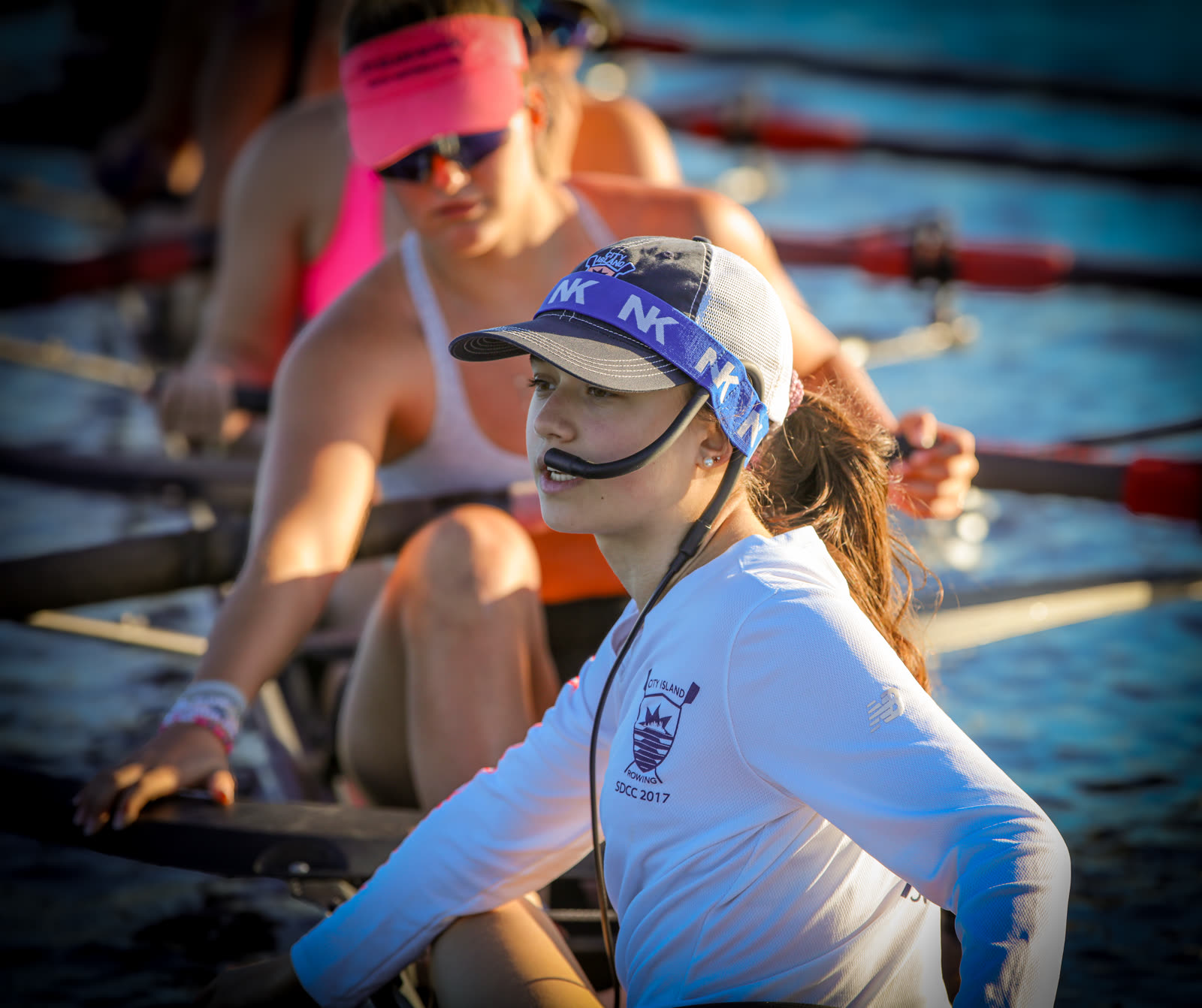
Six race days, from the season opener in Schenectady to the closer at Port Washington.